Skip to content

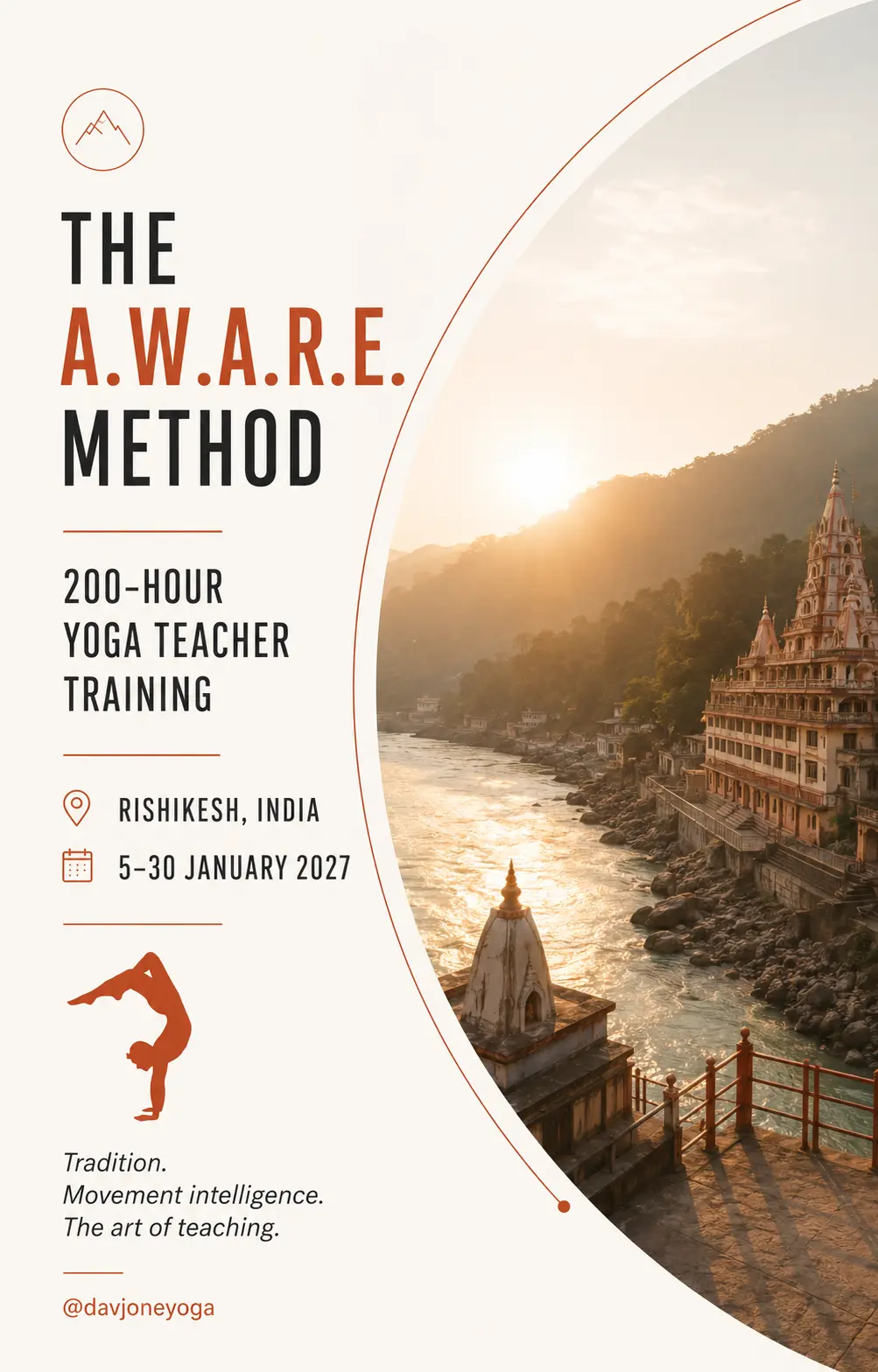
THE A.W.A.R.E. METHOD
200-Hour Yoga Teacher Training
Tradition. Movement. Awareness. The Art of Teaching
A four-week immersive Yoga Teacher Training bringing together the traditions of yoga with functional anatomy, biomechanics, breath mechanics and the practical art of teaching.
The deepest teachings are not simply learned. They are lived.
More Than Learning How to Teach Postures
Becoming a yoga teacher asks for more than learning postures, sequences and scripts.
It asks you to learn how to see.
To understand the person in front of you. To recognise when to guide and when to observe. To understand why you are asking someone to move in a particular way.
And ultimately, to develop the confidence to teach from your own understanding rather than simply repeating what you were taught.
This is the foundation of the A.W.A.R.E. Method.
What Is the A.W.A.R.E. Method?
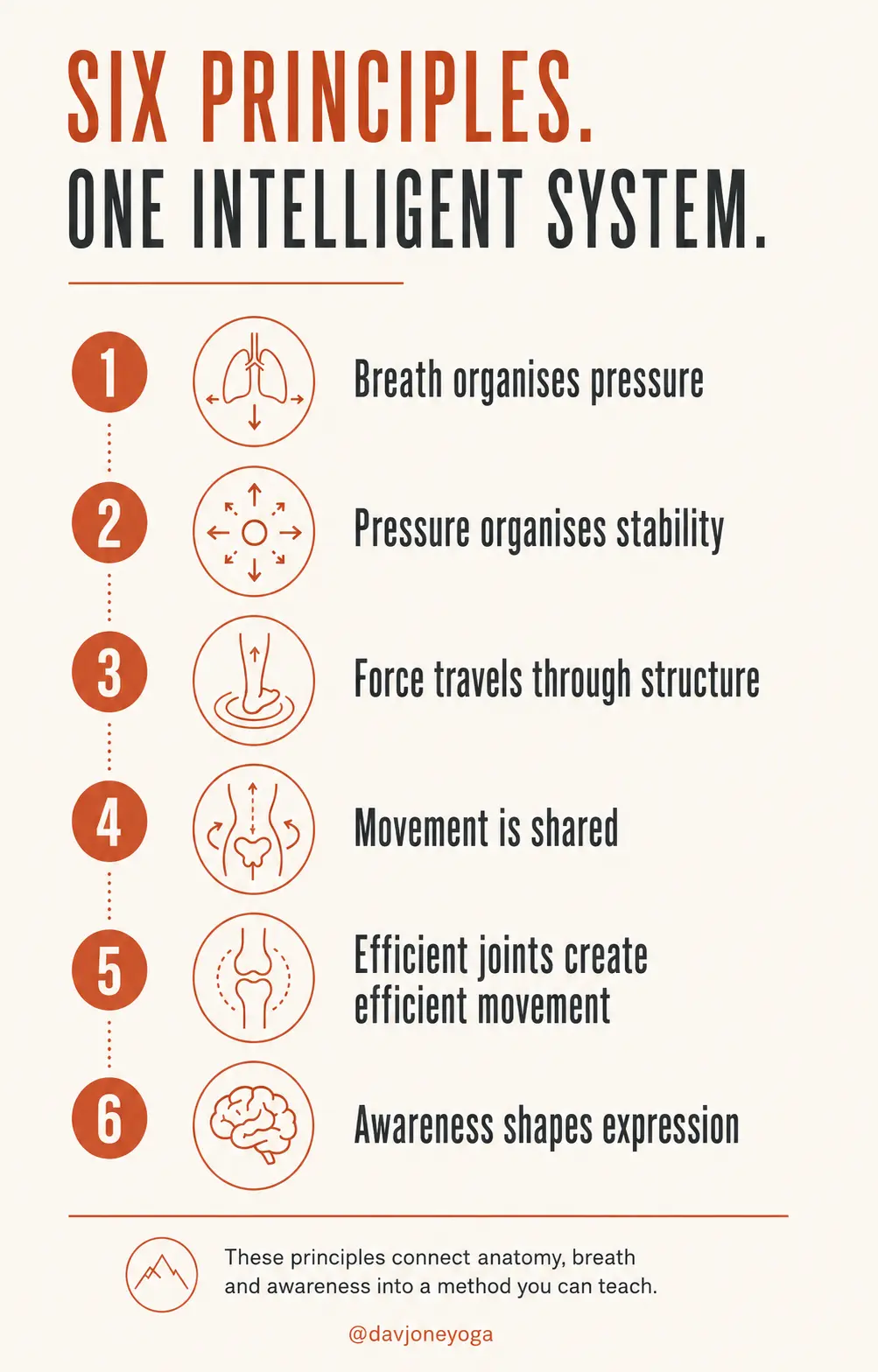
A framework for intelligent movement, self-enquiry and teaching.
A – ALIGN
Establish intention and organise the body in relationship to the movement.
W – WITNESS
Observe breath, sensation, effort and habitual patterns before attempting to change them.
A – ACTIVATE
Create the support and muscular engagement appropriate to the intention.
R – REFINE
Adapt through observation, feedback and individual experience.
E – EVOLVE
Continue developing through curiosity, reflection and experience.
Awareness before action.
Intention before instruction.
Observation before correction.
Function before aesthetics.
Adaptation rather than force.
A Comprehensive Education in the Art of Teaching Yoga
This training goes beyond learning postures, sequences and scripts.
Across 200 hours of study, practice and teaching, you will develop an integrated understanding of movement, anatomy, breath, philosophy and the craft of teaching – learning not only the traditions of yoga, but how to apply them intelligently to the individual in front of you.
INTENTION → OBSERVE → DECIDE → CUE → REASSESS
The goal is not to give you more corrections.
It is to develop your discernment as a teacher.
THE INTELLIGENCE OF SEQUENCING
Move beyond collecting postures and learn how to construct an experience with purpose.
Explore anatomical, thematic, peak-posture, beginner and breath-led sequencing while learning how to balance mobility, strength, preparation, progression and integration.
Every sequence begins with one question:
What is the intention?
BREATH, PRANAYAMA & THE SUBTLE BODY
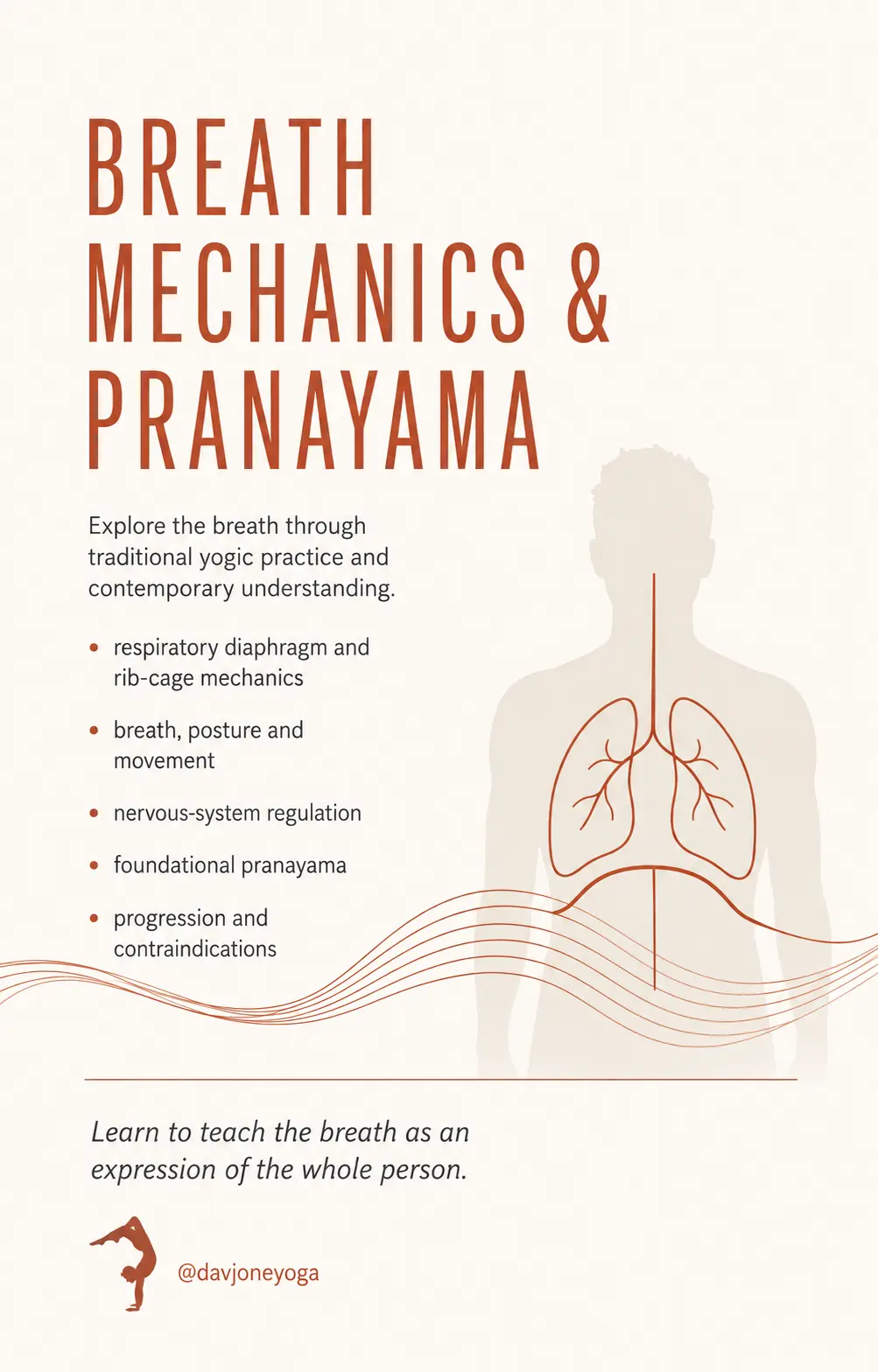
Explore breath through both traditional yogic practice and contemporary respiratory understanding.
Study the respiratory diaphragm, rib-cage mechanics and nervous system alongside pranayama, meditation, prāṇa, nāḍīs, cakras, mantra, mudrā, bandha and Kundalini teachings.
Learn to approach these practices with context, progression and responsibility.
PHILOSOPHY, ETHICS & THE INNER TEACHER
Study yoga beyond the physical practice through the Yoga Sūtras, Bhagavad Gītā, the eight limbs, Puruṣa and Prakṛti, karma, dharma, meditation and self-enquiry.
Explore consent, professional boundaries, the ethics of touch, scope of practice and the responsibility that comes with becoming a teacher.
Because becoming a yoga teacher isn’t simply about developing the ability to lead a class. It is about understanding what you stand for when you step into the role of teacher.
WANT TO GO DEEPER?
This is only an overview of the 200-hour curriculum.

Become the Teacher Only You Can Be
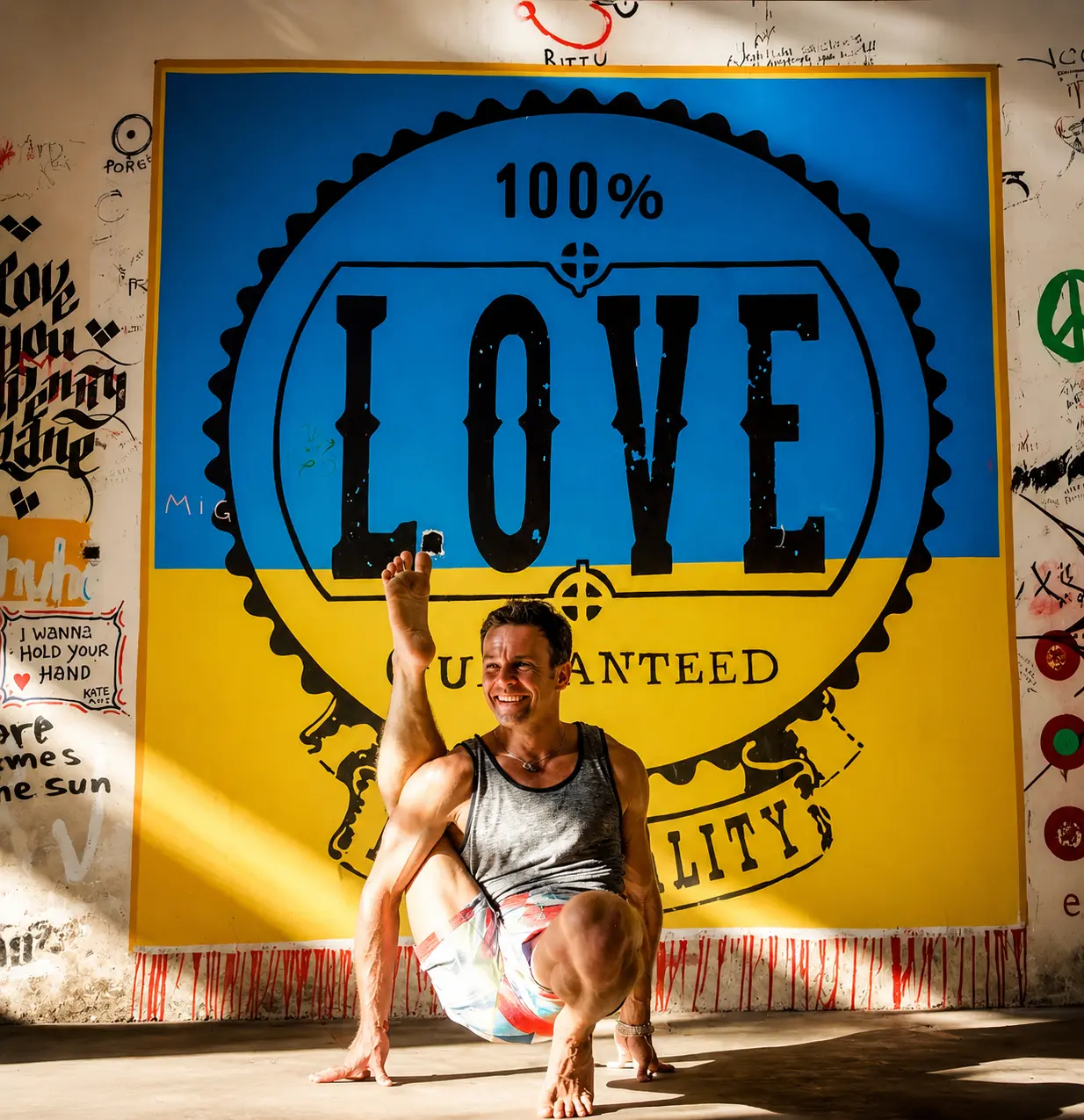
The purpose of this training isn’t to produce teachers who teach exactly like their teacher.It is to give you the knowledge, experience and discernment to discover your own authentic teaching voice.
By the end of the training, you will have developed greater confidence in your ability to:
You do not need to perform advanced postures to become an excellent teacher. Your ability to observe, communicate, adapt and teach responsibly matters far more than your ability to create a particular shape.
Live & Study in Rishikesh
Your home for the four weeks will be Maharishi Yoga Peeth Yoga School in Laxman Jhula, Rishikesh, allowing you to immerse yourself fully in the rhythm of practice, study and life in one of yoga’s most significant spiritual centres.
YOUR STAY
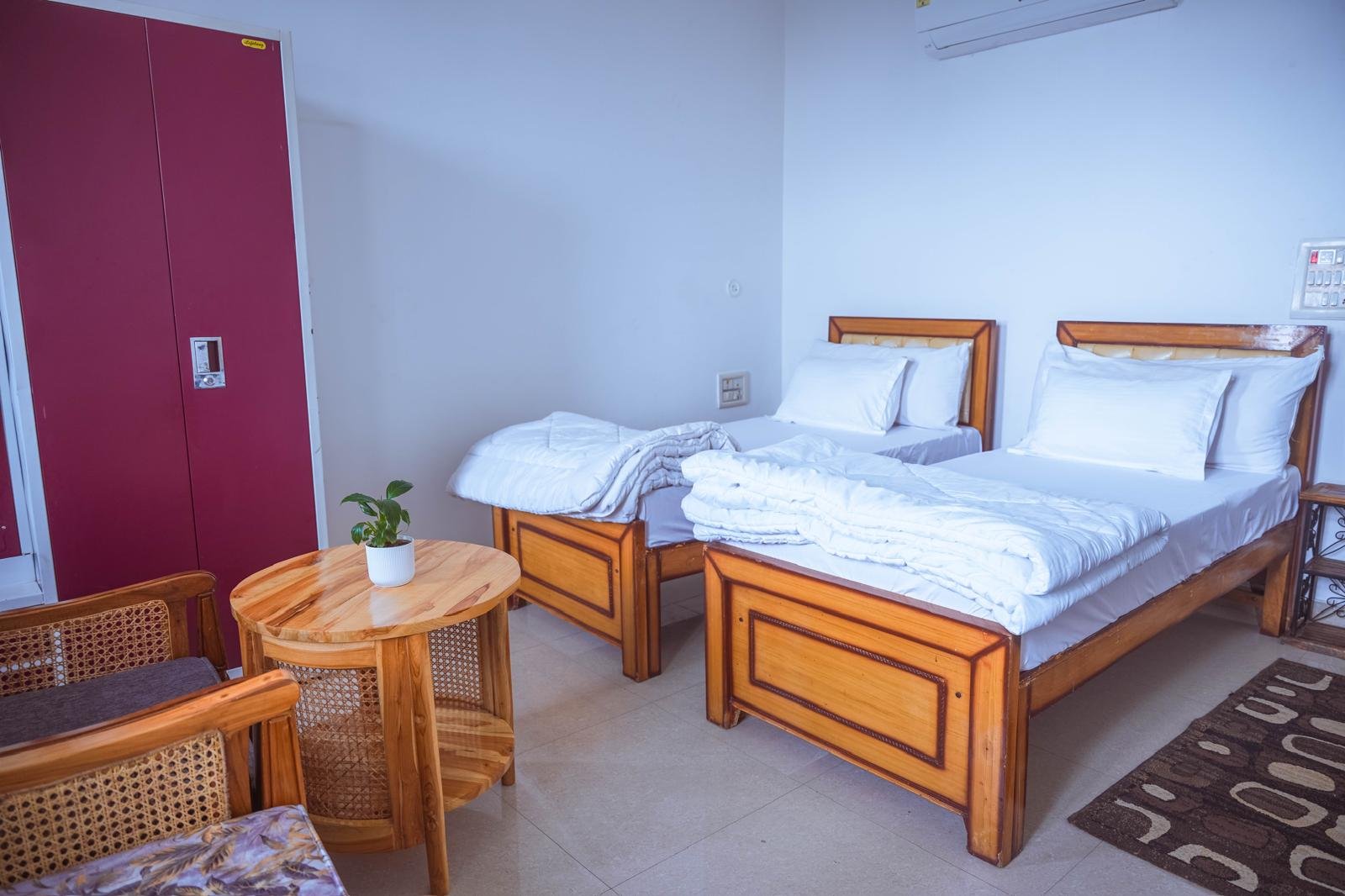
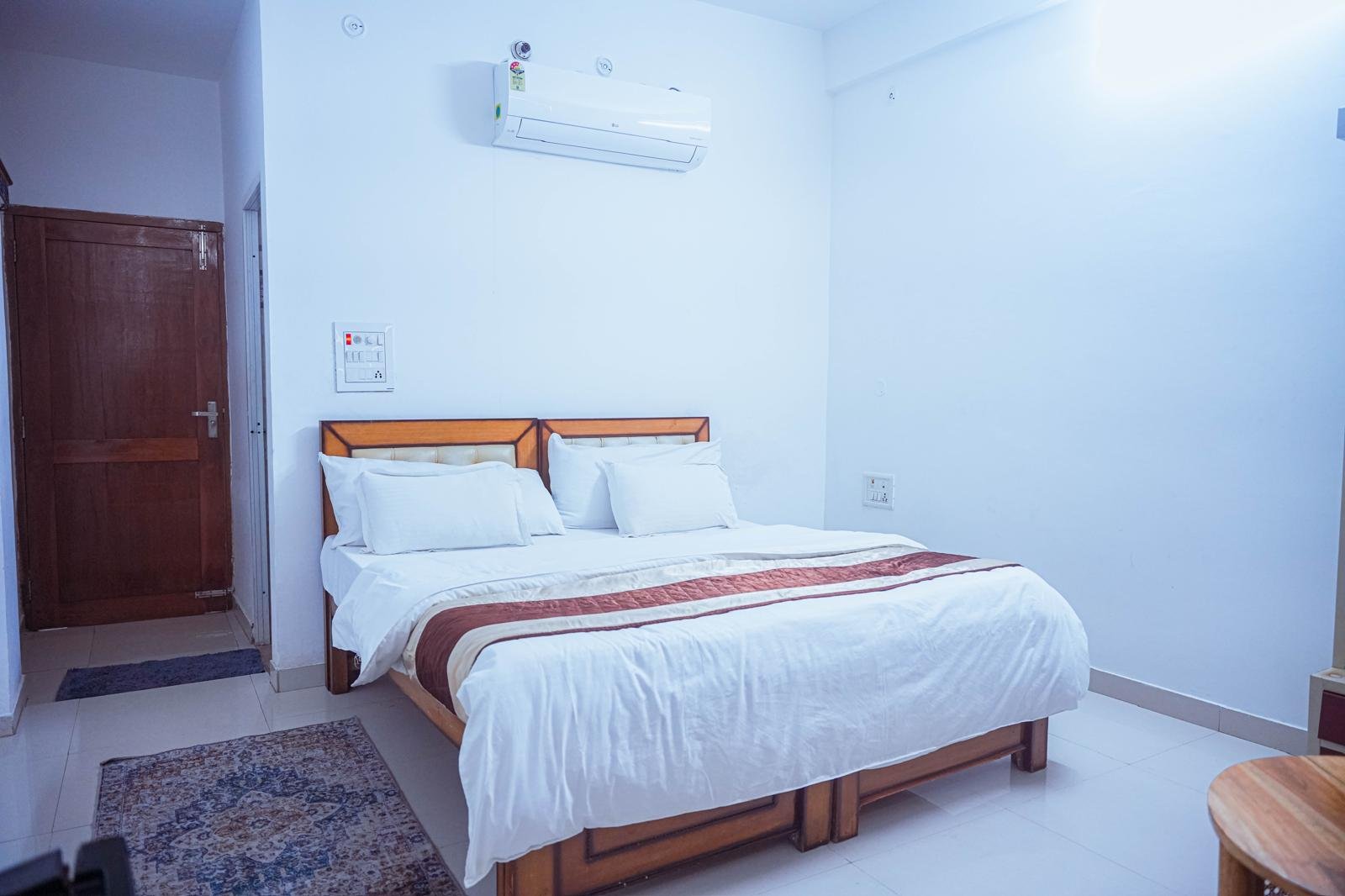
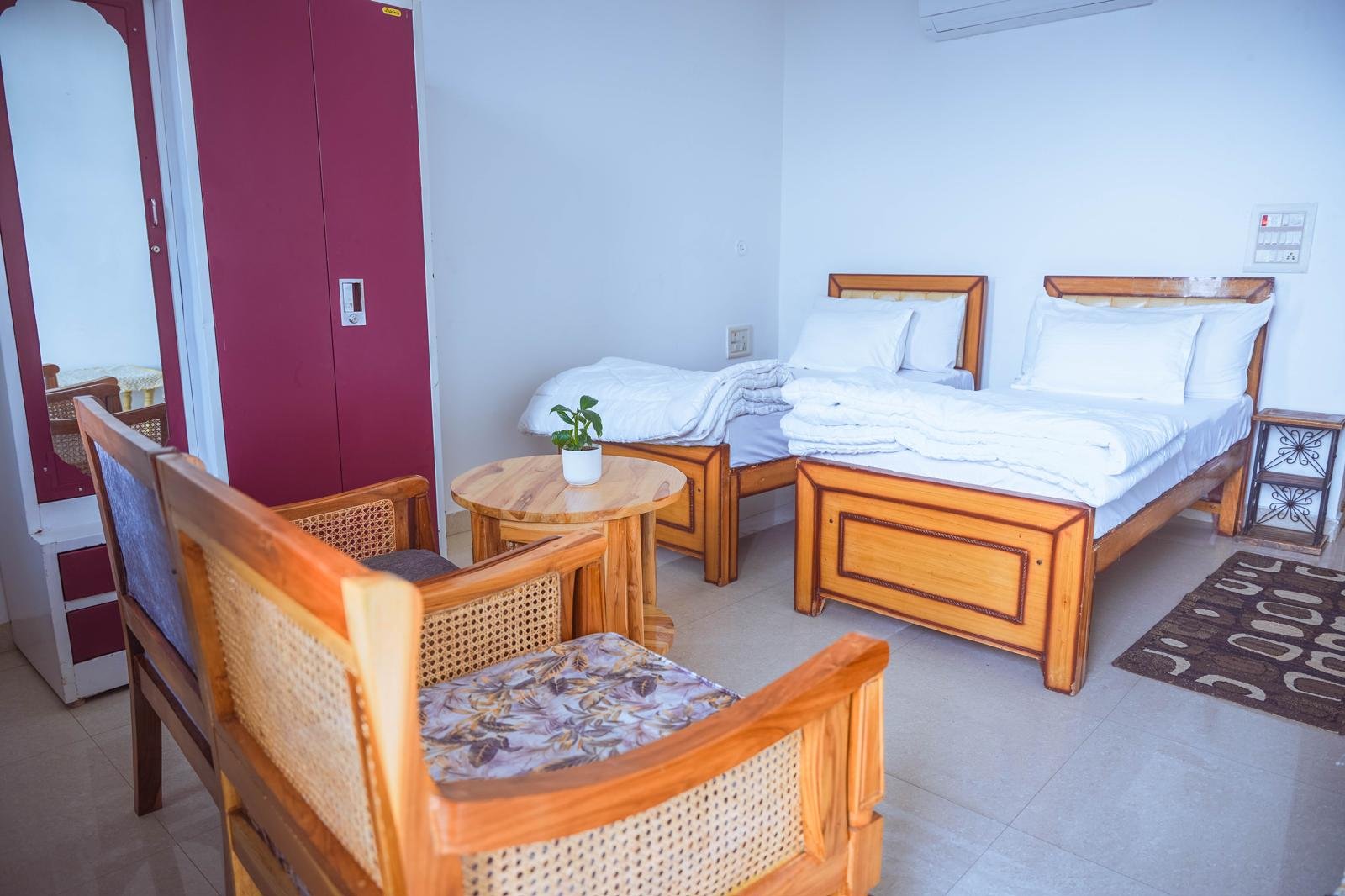
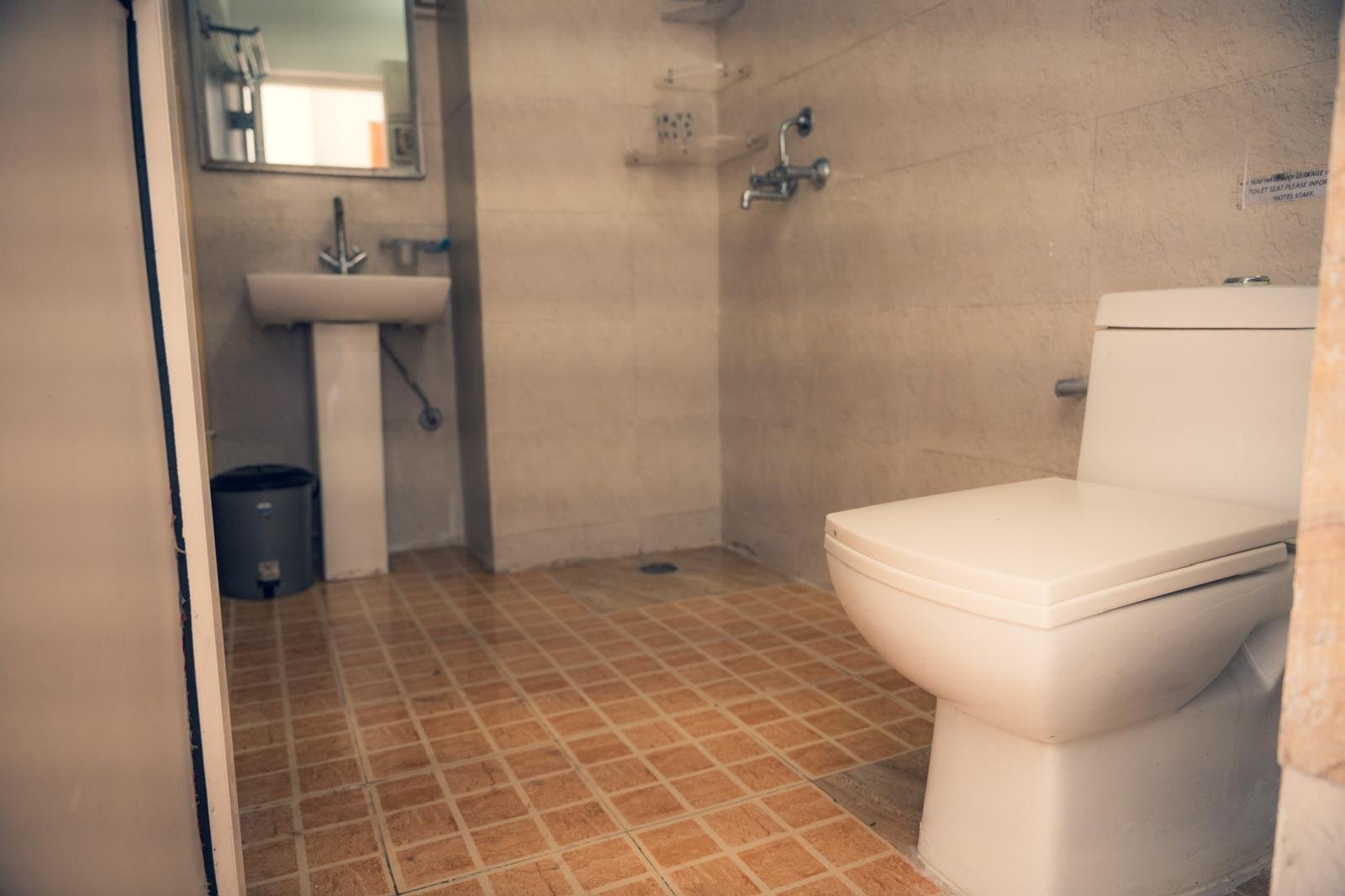
Accommodation is provided within the centre for the full duration of the training.
Rooms include:
Three freshly prepared meals – breakfast, lunch and dinner – are included every day.
Airport pickup and taxi transfer from Dehradun Airport to the Maharishi Yoga Peeth Yoga School are also included.

Experience Rishikesh
The training extends beyond the classroom and yoga shala.
Living and studying in Rishikesh gives you the opportunity to encounter yoga within the culture and landscape from which so much of its tradition emerged.
Your immersion will include experiences such as:
Come to Rishikesh to Study Yoga.
Leave with a deeper understanding of how you choose to live it, practise it and share it.