Skip to content

5 Yoga Asanas to Help With Anger and Stress
Anger is a natural human emotion. It appears when we feel threatened, misunderstood, or overwhelmed. In small amounts, anger can even be useful because it signals that something needs attention. But when anger stays in the body for too long, it can create tension, stress, and emotional fatigue.
From a physiological perspective, anger activates the sympathetic nervous system, the part of the body responsible for the “fight or flight” response. Heart rate increases, breathing becomes shallow, muscles tighten, and the mind becomes reactive. If this state continues, it can lead to headaches, fatigue, anxiety, and difficulty focusing.
Yoga offers a different pathway. Instead of suppressing anger, yoga helps the body process and release emotional tension safely. Certain asanas gently calm the nervous system, regulate breathing, and create space for emotional balance.
Below are five yoga asanas that can help cool down anger and stress, allowing the body and mind to return to a calmer state.
1. Child’s Pose (Balasana)
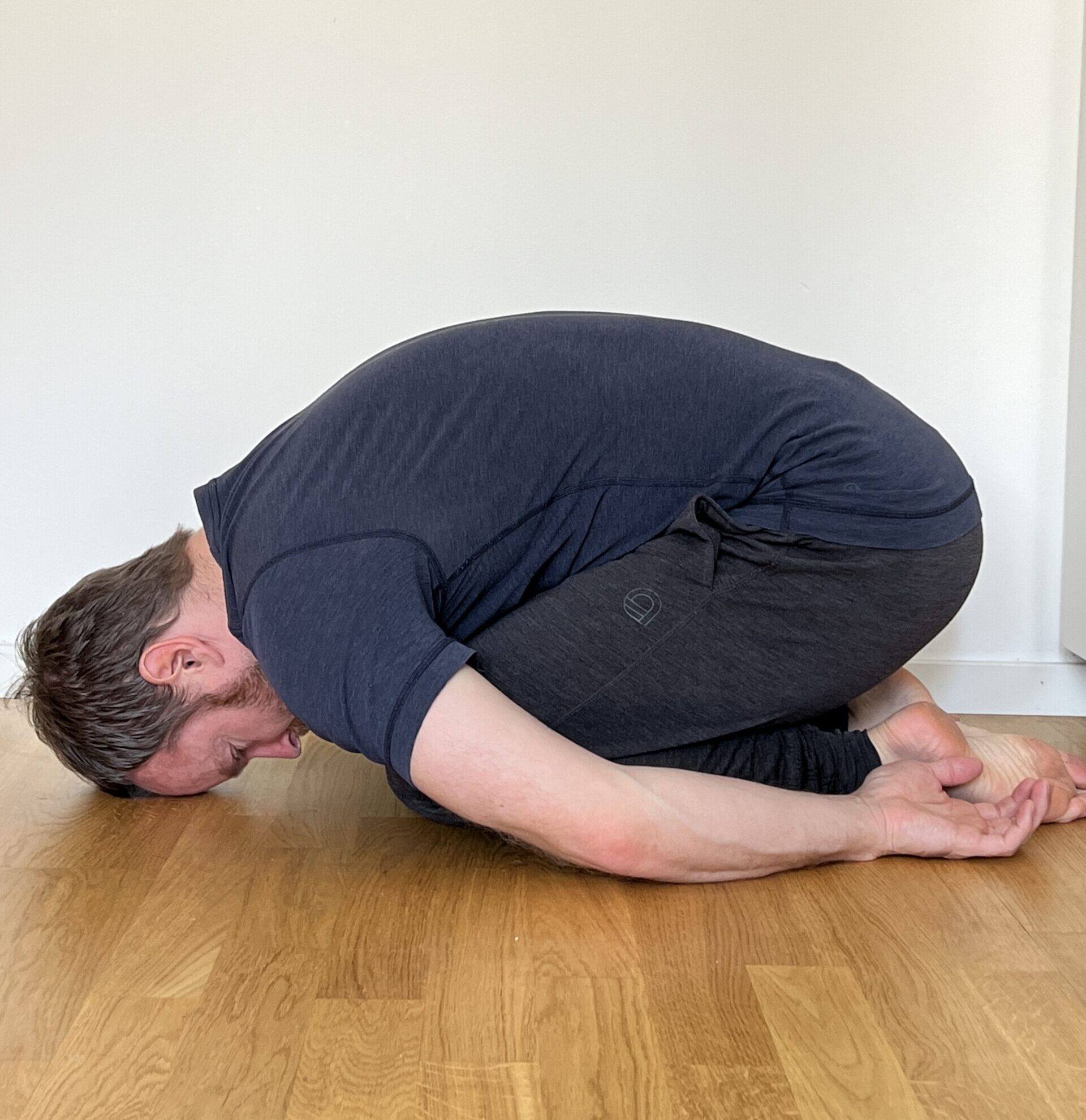
Balasana is one of the most grounding and restorative poses in yoga. The forward-folding position naturally encourages the body to slow down and relax.
When anger is present, the mind tends to become active and reactive. Child’s Pose helps shift the body toward the parasympathetic nervous system, which promotes rest and recovery.
Benefits
- Calms the nervous system
- Reduces tension in the shoulders and back
- Encourages deep breathing
- Helps the mind slow down
How to Practice
- Kneel on the mat with your knees slightly apart.
- Sit your hips back toward your heels.
- Fold your torso forward and rest your forehead on the mat.
- Extend your arms forward or rest them beside your legs.
- Breathe slowly and stay until you notice downshift in your body.
Tip: Focus on slow breathing into the back of the ribcage. This helps release stored tension.
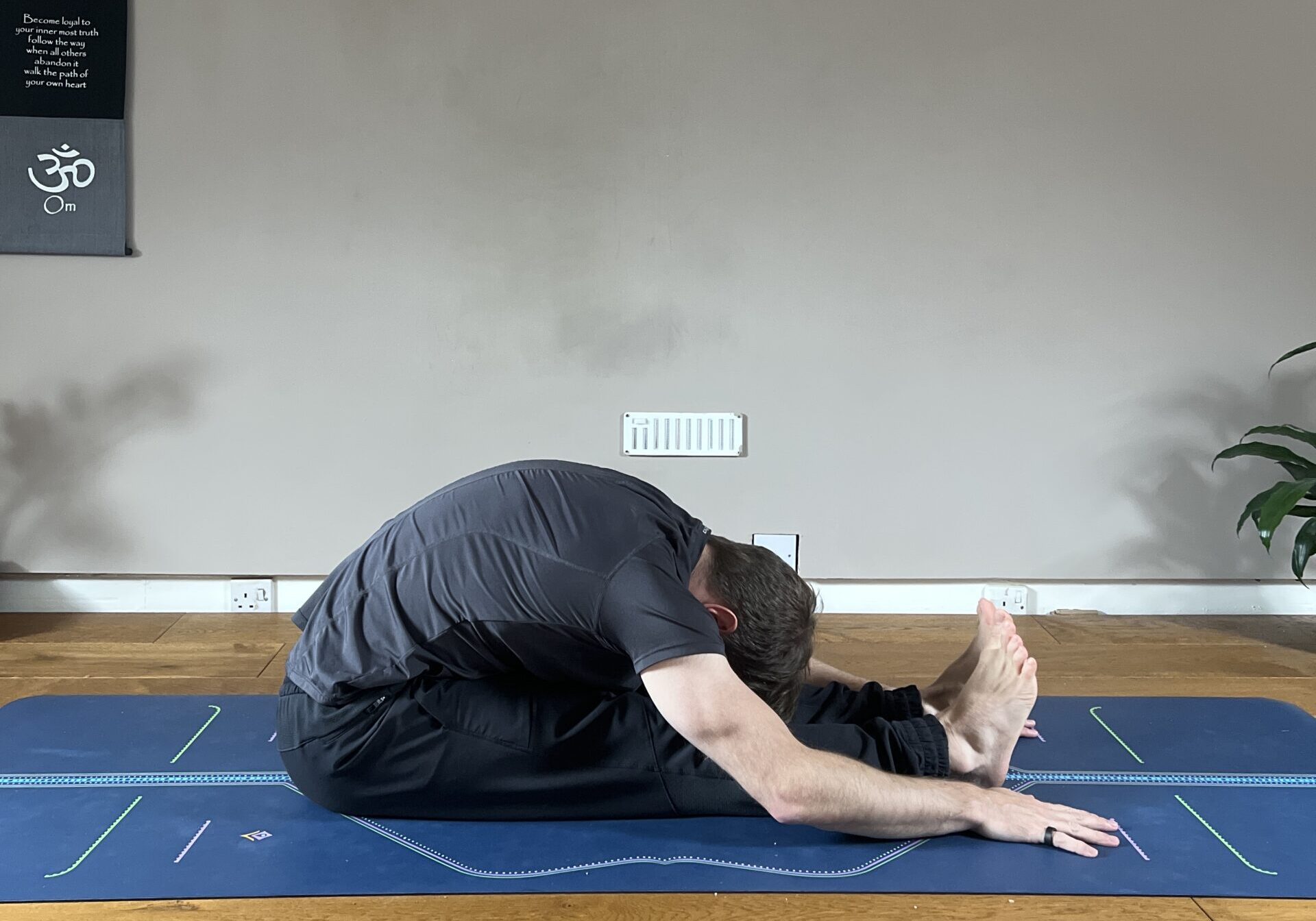
2. Seated Forward Fold
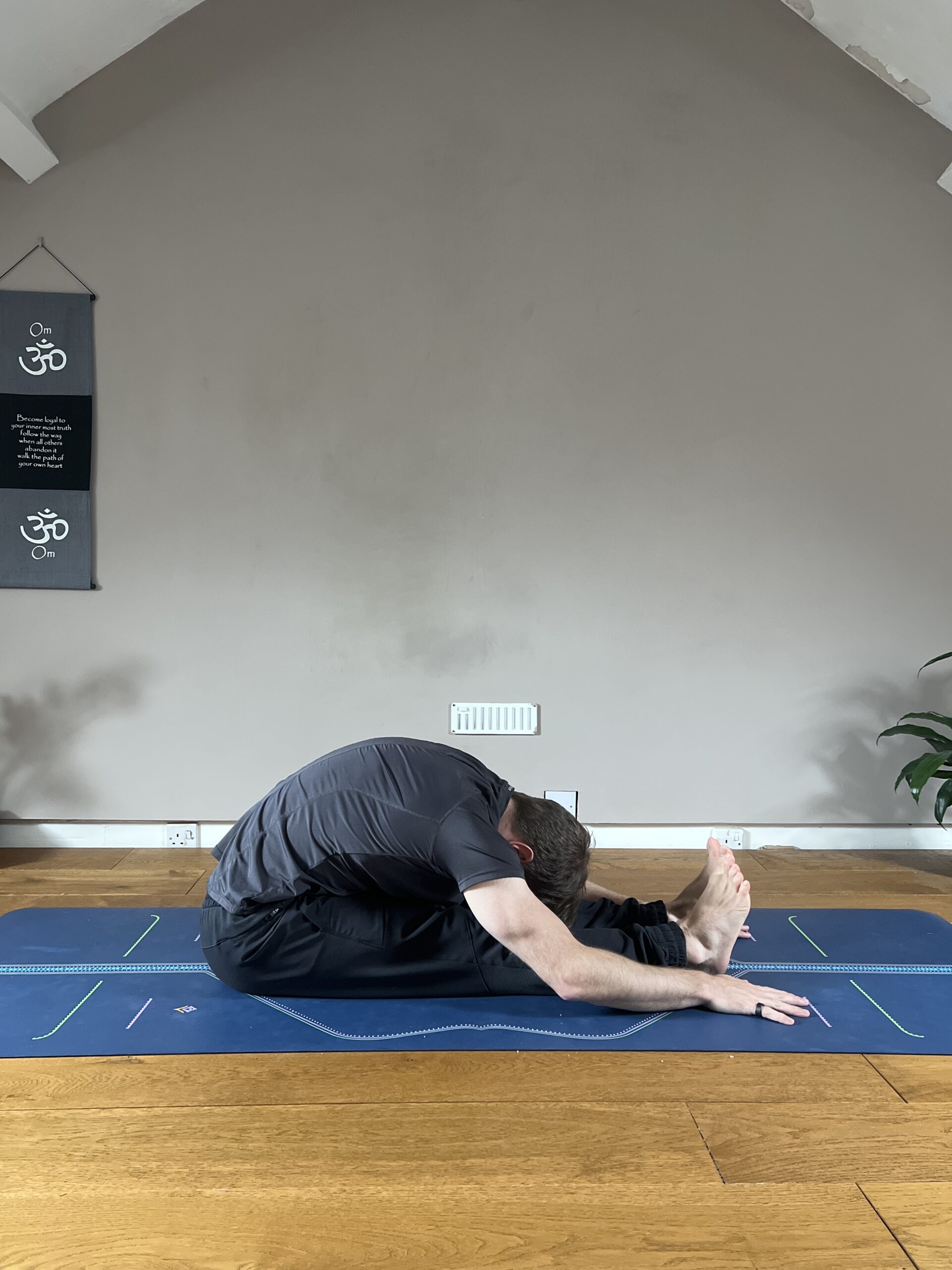
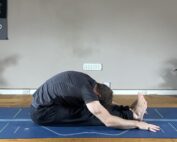
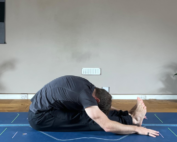
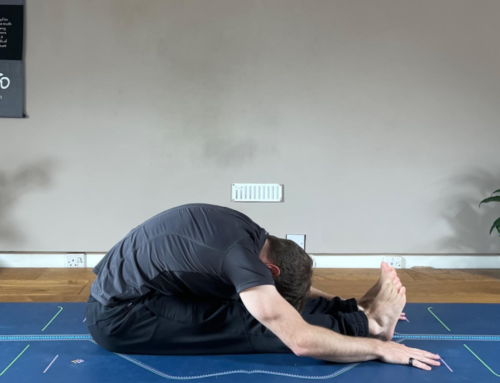
Forward folds are known for their introspective and calming effect. Paschimottanasana gently stretches the entire back body while encouraging the mind to move inward. By folding inwards and closing your eyes this pose can help reduce visual perception, helping to calm hyper-vigilance.
This pose can be particularly helpful when anger is mixed with frustration or mental exhaustion.
Benefits
- Relaxes the nervous system
- Releases tension in the spine
- Encourages emotional grounding
- Improves focus and patience
How to Practice
- Sit on the floor with both legs extended forward.
- Lengthen your spine and inhale deeply.
- Exhale and fold forward from the hips.
- Hold your shins, ankles, or feet.
- Relax the neck and shoulders.
Stay in the pose until you feel a shift from up-regulation to down-regulation.
3. Cat–Cow Pose (Marjaryasana–Bitilasana)
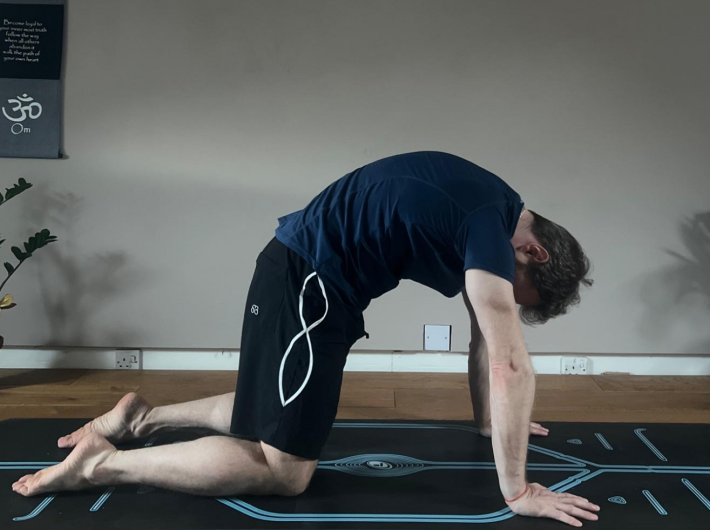
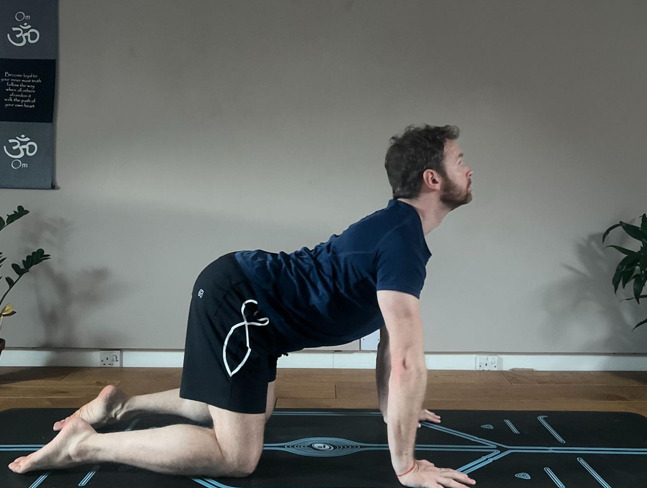
Sometimes anger feels like energy trapped in the body. Instead of staying still, gentle movement can help release this stored tension.
Cat–Cow Pose combines breathing with spinal movement, helping the body release stiffness and emotional stress.
Benefits
- Releases tension in the spine and neck
- Improves breathing patterns
- Reduces physical stress from emotional tension
- Encourages mindful movement
How to Practice
- Start on hands and knees in a tabletop position.
- Inhale and drop the belly down, lifting the chest (Cow Pose).
- Exhale and round the spine, drawing the chin toward the chest (Cat Pose).
- Continue moving slowly with your breath.
Repeat the movement for 8–10 rounds.
4. Legs-Up-The-Wall Pose (Viparita Karani)
Viparita Karani is a deeply restorative pose that helps the body shift from stress to relaxation.
By elevating the legs, blood circulation improves and the nervous system begins to settle. This posture is especially helpful after a long day when emotional stress or irritation builds up.
Benefits
- Reduces fatigue and mental stress
- Calms the nervous system
- Improves circulation
- Encourages deep relaxation
How to Practice
- Sit sideways next to a wall.
- Lie down and swing your legs up the wall.
- Keep your hips close to the wall if comfortable.
- Rest your arms beside your body.
- Close your eyes and breathe naturally.
Stay in this pose for 5–10 + minutes.
5. Corpse Pose (Shavasana)

Shavasana is often considered the most important pose in yoga. While it may appear simple, it allows the body to fully integrate physical and emotional release.
When practiced with awareness, Shavasana helps the nervous system reset after stress or emotional intensity.
Benefits
- Deep relaxation for body and mind
- Reduces emotional stress
- Improves breathing awareness
- Supports nervous system recovery
How to Practice
- Lie flat on your back with legs slightly apart.
- Rest your arms beside your body with palms facing up.
- Close your eyes and relax the entire body.
- Allow your breathing to slow naturally.
Stay here for 5–10 minutes, letting the body completely soften.
Final Thoughts
Anger does not need to be suppressed or ignored. It is simply a signal that something within us needs attention. Yoga offers a constructive way to move through anger rather than react to it.
By practicing calming asanas like Balasana, Paschimottanasana, Cat–Cow, Viparita Karani, and Shavasana, the body gradually shifts from a state of tension to one of relaxation.
Even 10–15 minutes of mindful yoga practice can help release emotional stress and restore balance.
Over time, these practices develop a powerful skill: the ability to pause, breathe, and respond with awareness instead of reacting with anger.
Join me inside my online classes on Patreon, or dive deeper through the DJY Mentorship Program, where we train awareness, regulation, and intelligent movement – not just flexibility.